Furnace Installation
Reliable, High-Efficiency Heating for Colorado Homes
Heat Pump Denver provides professional residential furnace installation designed to deliver consistent, efficient, and dependable heat through Colorado’s coldest winters. Whether you are replacing an aging furnace or upgrading to a high-efficiency system, we install furnaces that improve comfort, lower energy costs, and operate safely and quietly.
Our approach focuses on proper system design, correct sizing, and clean installation to ensure your furnace performs reliably for years to come.
Contact Us
We will get back to you as soon as possible.
Please try again later.
What Is a Furnace?
A furnace is a central heating system that warms your home by heating air and distributing it through ductwork. Modern furnaces are significantly more efficient than older models and use advanced burners, variable-speed blowers, and precise temperature controls to deliver steady, even heat.
A properly installed furnace provides:
- Consistent whole-home heating
- Improved energy efficiency
- Quiet, dependable operation
- Better airflow and comfort balance
- Long system lifespan
Many homeowners contact us because their current furnace is no longer reliable or efficient. The most common problems we find include:
- Furnaces over 15–20 years old with declining performance
- Rising heating bills caused by low-efficiency systems
- Uneven heating between rooms or floors
- Loud operation, rattling, or frequent cycling
- Frequent repairs that no longer make financial sense
- Cracked heat exchangers or safety concerns
- Poor airflow due to outdated duct design or equipment
- Inconsistent temperatures during cold snaps
Upgrading to a modern furnace can dramatically improve comfort, safety, and efficiency.
Common Furnace Issues We See in Colorado Homes
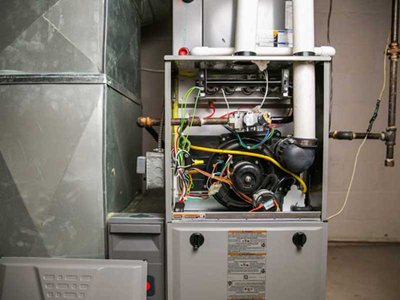
Furnace Options for Colorado Homes
Not every home needs the same type of furnace. Choosing the right furnace depends on your home’s size, layout, efficiency goals, and how you use your heating system. At Heat Pump Denver, we help homeowners select the furnace option that delivers the best balance of comfort, efficiency, and long-term value.
Below are the most common furnace options we install for residential homes in Colorado.
Single-Stage Furnaces
Single-stage furnaces operate at one fixed output level. When the furnace turns on, it runs at full capacity until the thermostat is satisfied.
Best for:
- Smaller homes
- Homes with consistent heating demand
- Homeowners seeking a lower upfront cost
Pros:
- Simple operation
- Lower initial investment
- Reliable heating performance
Considerations:
- Less precise temperature control
- More noticeable on/off cycling
- Lower overall efficiency compared to advanced options
Two-Stage Furnaces
Two-stage furnaces operate at two output levels: a lower stage for mild conditions and a higher stage for colder temperatures. This allows the system to run longer at a lower, more efficient setting.
Best for:
- Medium to large homes
- Homeowners seeking better comfort and efficiency
- Homes with varying temperature demands
Pros:
- More consistent indoor temperatures
- Improved energy efficiency
- Quieter operation
- Reduced temperature swings
Considerations:
- Higher upfront cost than single-stage systems
- Requires proper setup and control integration
Variable-Speed Furnaces
Variable-speed furnaces adjust heating output and airflow in small increments to match your home’s exact heating needs. These systems provide the highest level of comfort and efficiency available in modern furnaces.
Best for:
- Larger homes
- Homes with airflow or comfort balance issues
- Homeowners seeking premium performance
Pros:
- Extremely consistent temperatures
- Superior airflow control
- Quiet operation
- Maximum efficiency
- Improved humidity and air quality performance
Considerations:
- Higher initial investment
- Requires professional system design and installation
High-Efficiency Condensing Furnaces
High-efficiency condensing furnaces extract additional heat from combustion gases, allowing them to reach significantly higher efficiency ratings than older models.
Best for:
- Homeowners focused on long-term energy savings
- Homes upgrading from older, low-efficiency systems
Pros:
- Lower fuel consumption
- Reduced utility costs
- Environmentally friendly operation
- Eligible for energy-efficiency incentives
Considerations:
- Requires proper venting and condensate drainage
- Installation must meet strict code requirements
Dual-Fuel Furnace and Heat Pump Systems
Dual-fuel systems combine a high-efficiency furnace with a heat pump to provide the most flexible heating solution. The heat pump handles mild temperatures efficiently, while the furnace activates during extreme cold.
Best for:
- Colorado homes experiencing wide temperature swings
- Homeowners seeking maximum efficiency and comfort
- Homes transitioning toward electrification
Pros:
- Lower annual energy costs
- Improved system lifespan
- Reliable performance during cold snaps
- Increased comfort across seasons
Considerations:
- Higher upfront investment
- Requires professional system integration
Choosing the Right Furnace Option
Selecting the right furnace is not just about equipment — it’s about proper design, sizing, and installation. At Heat Pump Denver, we evaluate your home’s structure, insulation, ductwork, and comfort goals to recommend the furnace option that makes the most sense for your situation.
We provide clear explanations,
Our Furnace Installation Solutions
At Heat Pump Denver, we install furnaces with a focus on performance, reliability, and proper integration with your home’s HVAC system. We work exclusively on residential systems and do not install boilers or commercial equipment.
Proper Furnace Sizing and Design
We perform detailed load calculations to ensure your furnace is sized correctly for your home. An oversized furnace wastes energy and cycles too frequently, while an undersized unit struggles to maintain comfort. Proper sizing ensures consistent heat and long-term efficiency.
High-Efficiency Furnace Options
We install modern, high-efficiency furnaces that feature:
- Improved AFUE efficiency ratings
- Variable-speed or multi-stage operation
- Quieter performance
- Better airflow control
- Reduced energy consumption
These systems provide steady heat while using less fuel than older furnaces.
Professional, Code-Compliant Installation
Our licensed technicians follow strict installation standards, including:
- Correct gas and electrical connections
- Proper venting and combustion air setup
- Secure and sealed duct connections
- Thermostat integration
- System testing and safety checks
Correct installation is critical for safety, performance, and warranty protection.
Dual-Fuel Furnace and Heat Pump Systems
For homeowners seeking maximum efficiency and flexibility, we offer dual-fuel systems that combine a high-efficiency furnace with a heat pump. This setup allows the heat pump to handle mild temperatures efficiently, while the furnace provides reliable heat during extreme cold.
Dual-fuel systems offer:
- Lower overall energy costs
- Improved comfort
- Reduced wear on equipment
- Enhanced performance during cold weather
Ductwork and Airflow Optimization
Many furnace issues stem from airflow problems rather than the furnace itself. We inspect ductwork for leaks, restrictions, and design issues and make adjustments when necessary to ensure heat is distributed evenly throughout your home.
Furnace Replacement vs. New Installation
- Furnace replacement involves removing an existing system and installing a modern, high-efficiency unit.
- New furnace installation is ideal for homes undergoing HVAC upgrades, conversions, or system redesigns.
- We help determine the best approach based on your home, comfort goals, and budget.
Furnace Installation Cost in Colorado
Furnace installation costs depend on several factors, including:
- Home size and layout
- Furnace efficiency level
- Existing ductwork condition
- Electrical or gas upgrades
- Installation complexity
We provide clear, upfront pricing and help you evaluate efficiency options that reduce long-term operating costs.
Costs, Rebates, and Incentives
System cost depends on the number of zones, equipment style, and electrical requirements. Many homeowners qualify for substantial savings through:
- Federal energy tax credits
- Colorado clean-energy rebates
- Utility incentives
- Manufacturer rebates
We help you understand which incentives you qualify for and how to maximize your savings.
Why Choose Heat Pump Denver for Furnace Installation?
- Residential HVAC specialists
- No boilers and no commercial work
- Proper system design and sizing
- High-efficiency furnace options
- Clean, professional installation
- Honest recommendations and transparent pricing
- Fast scheduling and responsive service
Our goal is to deliver safe, reliable heating systems that perform consistently throughout Colorado winters.
Furnace FAQs
Get answers to your most pressing questions about furnaces, from installation to maintenance. Our expert insights will help you make informed decisions for your home heating needs.
What type of furnace is best for my home?
The best type of furnace depends on your home's size, insulation, and heating needs. Gas furnaces are popular for their efficiency, while electric models can be a good choice for smaller spaces. Our team can help you assess your options.How often should I service my furnace?
It's recommended to service your furnace at least once a year to ensure optimal performance and efficiency. Regular maintenance can prevent costly repairs and extend the lifespan of your unit.What are the signs that my furnace needs repair?
Common signs include unusual noises, inconsistent heating, and increased energy bills. If you notice any of these issues, it's best to contact a professional for a thorough inspection.How can I improve my furnace's efficiency?
To improve efficiency, ensure your furnace is regularly maintained, replace filters as needed, and consider upgrading to a high-efficiency model. Proper insulation and sealing can also help retain heat.What is the average lifespan of a furnace?
On average, a well-maintained furnace can last between 15 to 20 years. Regular maintenance and timely repairs can help maximize its lifespan.
Need More Help?
If you have additional questions or need assistance with your mini split system, our team at Heat Pump Denver is here to help. Reach out to us for expert advice and support.